


Japan’s New Milestone: Sanae Takaichi, Japan’s First elected Prime Minister in 2025

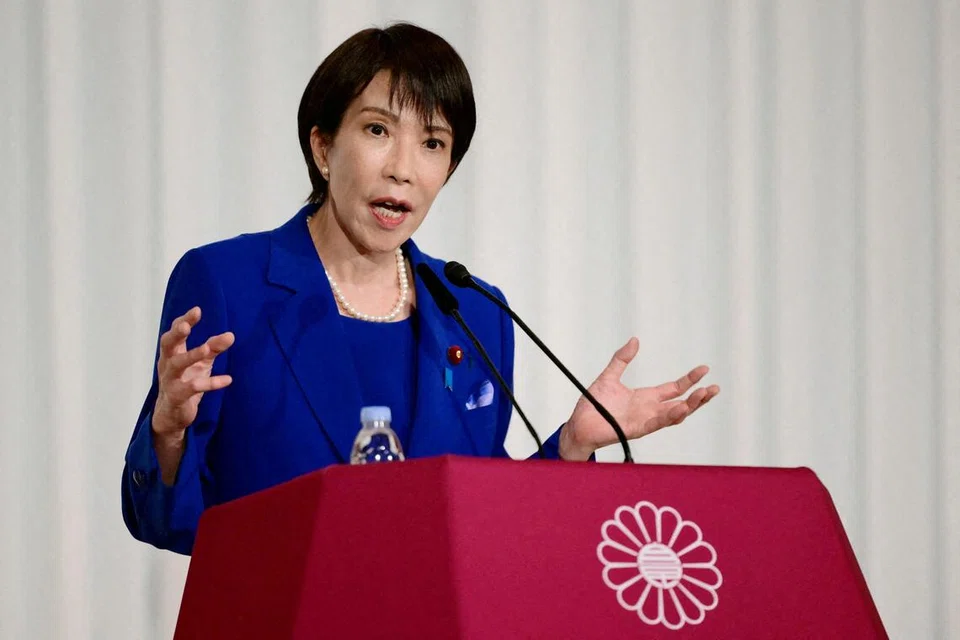
On 4 October 2025, Sanae Takaichi was elected president of the Liberal Democratic Party (LDP), making her the first woman ever to lead the dominant party in Japan.
In the LDP’s internal leadership election, Takaichi defeated several contenders and in the final runoff overcame Agriculture Minister Shinjiro Koizumi.

Is it finally Japan’s turn to break the ultimate glass ceiling?
A Conservative Trailblazer: Who Is Sanae Takaichi?
Did you know Sanae Takaichi is now the 87th Female head of states in the world?
Born in Nara Prefecture in 1961, Sanae Takaichi entered politics more than three decades ago. She was first elected to the House of Representatives in 1993, and since then has built a long and varied political career. Takaichi has served in multiple cabinet roles, including:
- In Japan itself, the skincare market in FY2023 was valued at USD 12.32 billion, with forecasts to grow to USD 18.41 billion by 2031 (CAGR ~5.15 %)5.
- In the Asia-Pacific cosmetics & beauty sector, Japan is one of the strong markets, and the region is expected to grow rapidly (Asia-Pacific share of the global industry ~23 %)6.
Her political positions are firmly conservative. Takaichi is known for advocating strong national defense, promoting economic security, and taking hawkish stances on Japan’s wartime memory including visiting the controversial Yasukuni Shrine. She has also opposed policies such as allowing separate surnames for married couples and female succession to the imperial throne. For these reasons, she is not seen as a feminist candidate. Yet her rise is undeniably historic.
Breaking a Barrier: First Woman to Lead the LDP
In the LDP leadership election, Takaichi secured 185 out of 341 votes in the final runoff, defeating Agriculture Minister Shinjirō Koizumi with 54.25% of the vote. She had already led the first round with 183 votes (31.1%), reflecting strong support within the party.
Did you know? Across 30 years in politics, she has won 10 elections and lost just one (2003)?
Public response has been notable. A Kyodo/Mainichi poll conducted days after her victory found 68.4% of respondents had “high hopes” for her leadership. Another poll by JNN showed a 66% approval rating. These figures suggest that, while Japanese politics remains male-centric, the public may be more ready than expected for a female leader.
How Japan Compares Globally
In the LDP leadership election, Takaichi secured 185 out of 341 votes in the final runoff, defeating Agriculture Minister Shinjirō Koizumi with 54.25% of the vote. She had already led the first round with 183 votes (31.1%), reflecting strong support within the party.
29 countries have 32 women serving as heads of state and/or government.
Only ~15% of UN member states are currently led by women.
60 countries have ever had a female head of government.
Japan women occupy just 15.7% of seats in the House of Representatives, the lowest proportion in the G7 and only 22.9% of cabinet positions worldwide are held by women. The country ranks 118th out of 148 in the 2025 Global Gender Gap Index, with political empowerment its weakest area.
More Than Symbolism: The Meaning Behind Takaichi’s Rise
While many celebrate Takaichi’s potential appointment as a sign of progress, others urge caution. Her policies do not necessarily align with feminist goals, and critics argue that one female leader does not automatically translate into systemic gender equality. Yet, symbolism matters and in Japan’s context, it could matter a lot.
- Glass Ceiling or Glass Cliff?
Takaichi’s rise represents a breakthrough, but it also raises questions about whether she will govern from a position of strength or vulnerability. Female leaders often face higher scrutiny and shorter political tenures a phenomenon known as the “glass cliff.” Her success will depend on her ability to manage factions, maintain party unity, and win public trust beyond symbolic firsts and most importantly able to stay around for more than 12 months since previous prime ministers barely lasted a year before being replaced. - Symbolism vs. Structural Change
Japan’s political institutions remain deeply patriarchal. Without broader reforms to candidate selection, work-life balance, and gender norms, Takaichi’s leadership could risk being an isolated case rather than a turning point. Observers are watching closely whether she appoints more women to cabinet roles and supports policies that encourage female participation in politics and the workforce. - Domestic and Geopolitical Implications
Takaichi’s policy priorities extend beyond gender issues. She advocates for stronger national security policies, closer alignment with the U.S., and a firmer stance toward China. These positions may shape Japan’s geopolitical strategy and its role in the Indo-Pacific. Domestically, she faces challenges in rebuilding trust in the LDP after electoral setbacks and tackling structural economic issues, from demographic decline to productivity growth.
Public Sentiment: A Country at a Crossroads
Japan’s slow pace toward gender equality has long been a subject of global criticism. The potential appointment of a female prime minister is therefore more than a personnel change. It’s a test of how far Japanese society has evolved. Public reaction reflects this complexity. While polls show optimism about Takaichi, many Japanese citizens remain cautious about whether her leadership will translate into real change. Business leaders and international observers, meanwhile, see her rise as a signal that Japan may finally be ready to address one of its most persistent structural challenges: the underrepresentation of women in power.
A Milestone with Global Resonance
If Sanae Takaichi becomes prime minister, it will be a milestone that resonates far beyond Japan. It will challenge long-held assumptions about leadership in the world’s third-largest economy and could influence how the country is perceived on the global stage. At the same time, it will highlight a central paradox: progress is not always linear or ideological. Takaichi’s leadership might not champion the causes many expect from a “first female prime minister,” but her presence alone could open doors for the next generation of women in politics.
Conclusion: Beyond the First
The significance of Sanae Takaichi’s rise lies not only in breaking a gender barrier but also in what follows. Will Japan use this moment to accelerate gender equality in politics, business, and society? Or will it remain a symbolic milestone without deeper reform?
Either way, Japan stands at a pivotal moment. And as Takaichi prepares to lead, the world will be watching how this historic chapter unfolds and whether it becomes a turning point for a country still grappling with the meaning of equality in the 21st century.